
Intermediate Family Math Newsletter - November 2026

Activities for November

Our Graduate Profile represents a shared vision for the knowledge, skills, and attributes learners need to lead and contribute in an evolving world. Math in the Kitchen supports this vision by developing creative and critical thinkers who notice patterns, analyze information, test ideas, and use mathematics to make and explain practical decisions. In this edition, we are exploring Math in the Kitchen! Students compare options, model situations, and justify practical, innovative solutions related to food, budgeting, and waste. 

Problem Solving: Sweet Tea

  1. If you have a cup of tea, will it be sweeter if you add one teaspoon of sugar or two?
  2. If you have two identical cups of tea and add one teaspoon of sugar to each, they will dates the same.
    1. If you pour both cups into a larger container and mix them thoroughly, will the result taste the same or different?
    2. How many cups of tea are in the mixture? How many teaspoons of sugar are in the mixture?
    3. If you mix two cups of tea with two teaspoons of sugar, will it taste the same or different as one cup of tea with one teaspoon of sugar?
  3. A small pitcher contains 6 cups of tea and 4 teaspoons of sugar. Will the tea in the large pitcher be more, less, or have the same sweetness as the tea in the small pitcher? Explain and draw a picture to illustrate. 

Source: Illustrative Mathematics
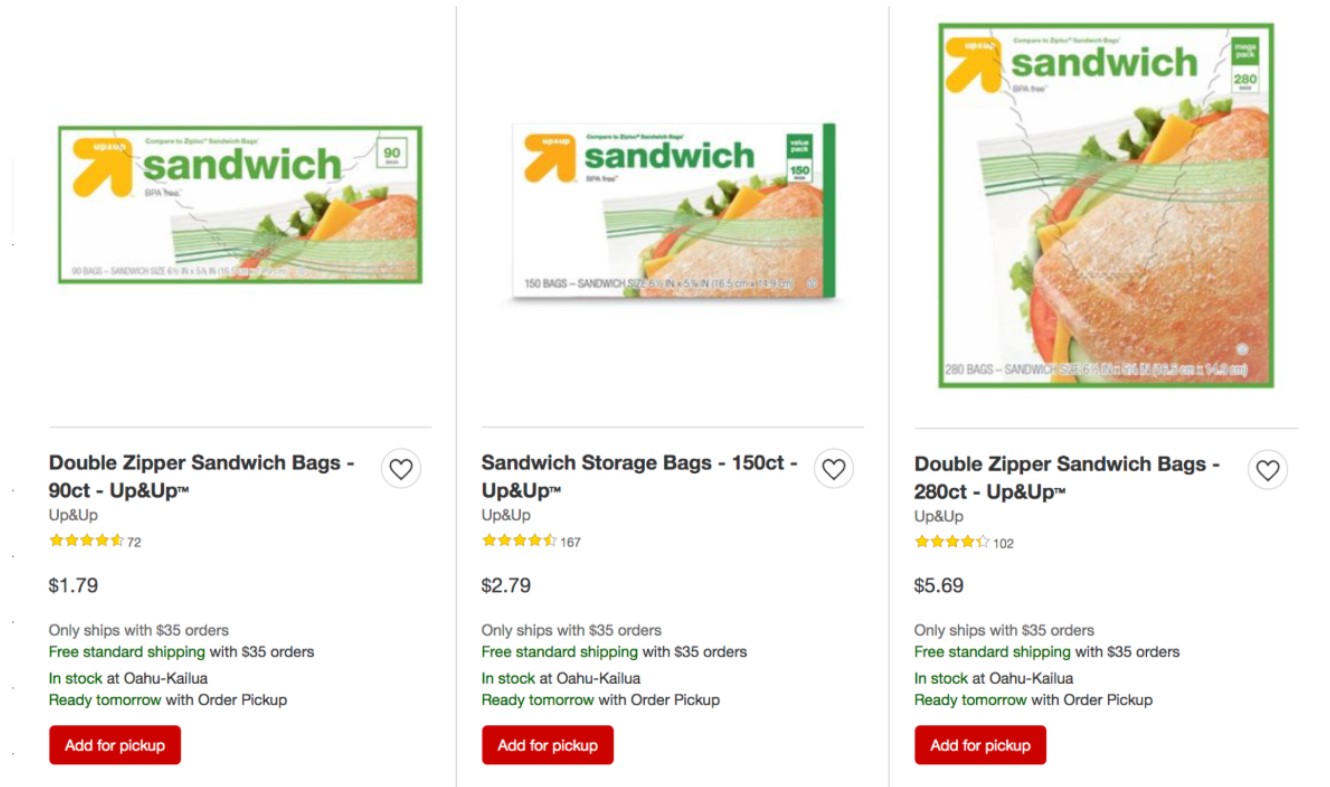

Math Talk: Would You Rather?

Sandwich bags at various sizes and price points

  • Look at the image above and examine all the choices.
  • Choose the one you would rather have.
  • Convince me: Explain your reasoning and/or show your thinking.

Source: Would You Rather?


Intermediate Math Strands and Connections to Math in the Kitchen

Strand B: Number

Curriculum Connection

Students apply rational numbers, ratios, rates, percentages, and proportions in meaningful contexts.

Simple Kitchen Connection

"How should this recipe change for more or fewer people?"

Use a ratio table to adjust all ingredient amounts consistently.

Example: This example shows how the amount of oats changes when the number of servings changes.

Servings468
Cups of Oats234
Strand C: Algebra

Curriculum Connection

Students recognize patterns and use variables, expressions, equations, tables, and graphs to represent relationships. 

Simple Kitchen Connection

"What changes when one more person is served?"

A meal has a fixed cost for spices and an additional cost per serving. Make a table for different group sizes and describe the pattern.

Strand D: Data

Curriculum Connection

Students collect, organize, analyze, and use data to make informed decisions. 

Simple Kitchen Connection

"What food is most often left over?"

Track one meal or one week of leftovers using a sample table.

What pattern do you notice, and what is one change the household could test?

Strand E: Spatial Sense

Curriculum Connection

Students estimate, compare, and determine measurement in practical contexts, including capacity, mass, volume, time, area, and temperature. 

Simple Kitchen Connection

"Will this container hold enough?"

Estimate whether a container will hold enough soup, pasta, or ingredients for everyone. 

Test the estimate using a measuring coup or labelling container.

Strand F: Financial Literacy

Curriculum Connection

Students use mathematics to make informed financial decisions. This includes comparing prices, discounts, quantities and values. 

Simple Kitchen Connection

"Which package is the better buy?"

Compare two similar products by considering price, quantity, cost per unit, storage space, and the possibility of food waste. 

Purposeful Practice

The Economics of Supper Time

Source: The Bank of Canada Museum


Resources for Families

  • Families can use TVO Mathify to connect with free online math tutoring, ask questions about a current math problem, and talk through a strategy with a tutor. You will need your child’s OEN number to register, which can be found on their Progress Report/Report Cards. 
  • November is Financial Literacy Month! Check out this resource to support these conversations at home: Le Centre Franco 


Looking for additional math resources?

Check out our past e-newsletters for more fun and exciting math games and challenges to do at home.

Family Math E-Newsletters