Intermediate Family Math Newsletter - April 2026

Have you been loving our Math Family Newsletters?

We’d love to hear how they’ve been helping your family explore math in fun and meaningful ways!

Take our quick survey and share how you’ve been using the newsletter — and you’ll be entered for a chance to win an exciting Family Math Prize!

Take the survey now and join the fun!

Children doing math on a whiteboard

Activities for April

Math Talk

Try using the following prompts, and have your child answer with “Always, Sometimes, Never,” and then justify their thinking.

  • “Vertical angles are equal.”
  • “Angles on a straight line add to 180°.”
  • “If two angles add to 180°, they are on a straight line.”
Source: Co-pilot

Math in the Workplace: Land Surveyor

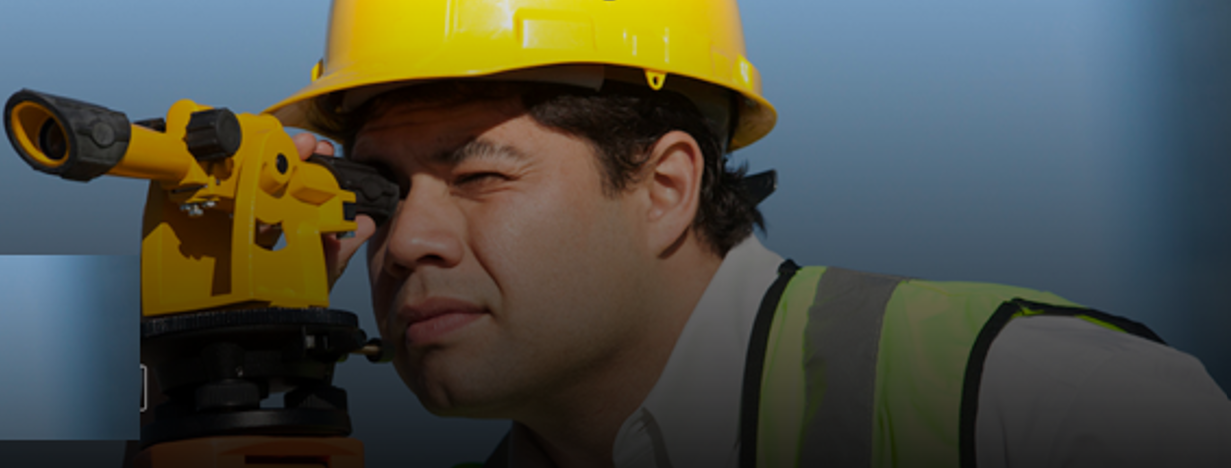
Construction worker looking to land surveyor tool

Source: MyBluePrint

What do they do?

“Land surveyors provide documentation of legal property lines and help determine the exact locations of real estate and construction projects. During construction, surveyors determine the precise location of roads or buildings and proper depths for building foundations. Surveyors may be involved in settling boundary disputes. When property is sold or new construction takes place, such as the building of a fence, issues may arise due to lack of up-to-date records or the misinterpretation of available records. A surveyor would be called in to settle the dispute, and may even have to provide testimony in court if the involved parties do not come to an agreement (MyBluePrint)”

Where’s the Math?

  • Use lines to map property boundaries, roads, and building locations.
  • Measure angles between landmarks to determine exact directions.
  • Apply triangles (triangulation) to calculate distances they cannot measure directly.
  • Use circle geometry when their tools rotate to measure central angles for direction.
  • Understand radius and diameter when accounting for the Earth’s curved surface.
  • Create detailed maps and site plans using precise geometric measurements.
  • Use right angles to ensure corners and boundaries meet accurately.
  • Combine angles and distances to locate objects on a coordinate grid.

Source: Co-pilot


Deliberate Practice: Angle Chase

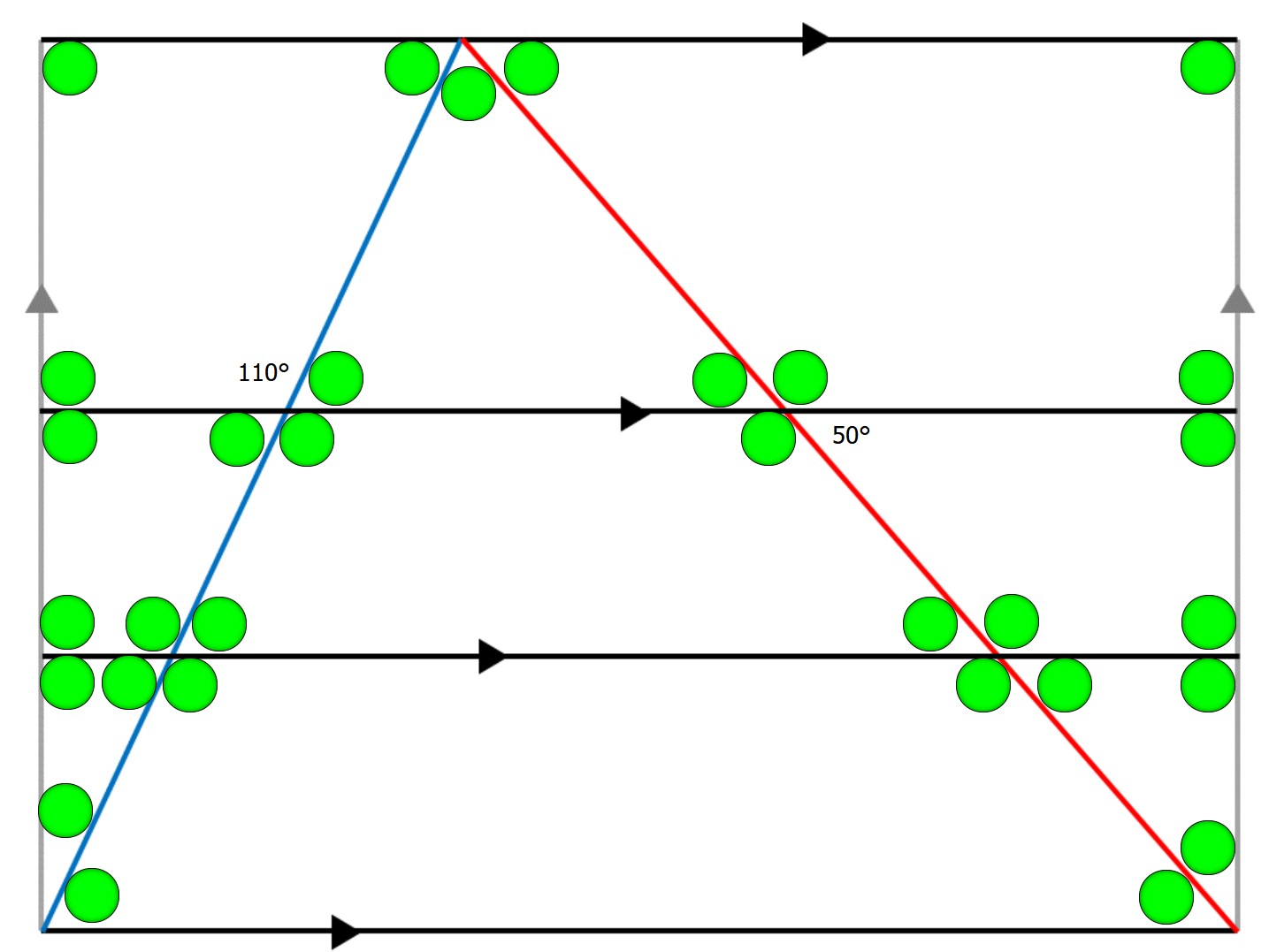
Explore Angle Chase for some deliberate practice at home. 

Angle Chase thumbnail

Circle Count at Home

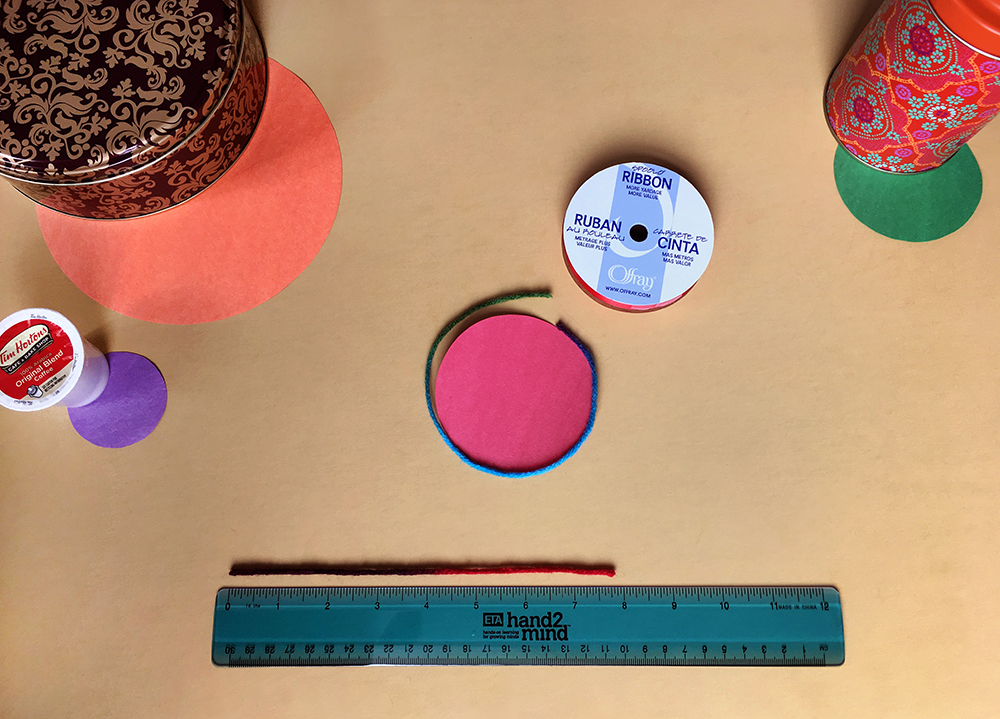
Tools to help measure circumference

Source: Going Around in Circles

Find 5 to 10 circular objects around your home, such as a plate, lid, cup, can, or roll of tape. Use non-standard tools like a piece of string, a strip of paper, or another flexible item to measure the distance around the circle (the circumference). Then measure the distance across the middle of the circle (the diameter). Record your measurements in a chart and look for patterns. As you compare your results, think about this question: What do you notice about the relationship between a circle’s diameter and its circumference?

Source: OAME


Parent Resource


The Centre of Education in Mathematics and Computing logo


Courseware by the Centre for Education in Mathematics and Computing

Parents and caregivers can use CEMC courseware to access interactive activities, practice questions, instructional videos, and math problems to provide additional practice and resources. The courseware is online, free to use, and does not require registration. 

Explore CEMC Courseware

Looking for additional math resources?

Check out our past e-newsletters for more fun and exciting math games and challenges to do at home.

Family Math E-Newsletter 2025-26